Oil changes sound simple, which is exactly why they get treated too casually. The engine keeps starting, the car keeps moving, and nothing feels urgent enough to rearrange the week. That delay can quietly work against the engine long before the driver hears a noise or sees a warning light.
Engine oil protects moving parts that run fast and hot, requiring clean lubrication every mile. When oil service is done late or done incorrectly, that protection starts slipping away.
1. Waiting Too Long Between Oil Changes
The most common oil change mistake is stretching the interval too far. Old oil collects fuel residue, moisture, carbon, and tiny metal particles from normal engine operation. Over time, it loses some of its ability to protect bearings, camshafts, timing parts, and other internal surfaces.
Some drivers wait because the oil still looks acceptable or the engine still sounds normal. That can be misleading. Engine wear does not always announce itself early. By the time the engine gets louder, runs rougher, or shows a low oil pressure warning, the damage may already be moving past basic maintenance.
2. Using The Wrong Oil For The Engine
Not every oil is suitable for every engine. The oil weight, type, and manufacturer specification all count. Modern engines can have tight oil passages, variable valve timing systems, turbochargers, and timing components that require oil to flow and protect in very specific ways.
Using the wrong oil can affect cold-start protection, oil pressure, fuel economy, and long-term wear. It can also create problems that seem unrelated at first, such as timing system noise or poor performance. Our technicians check the correct oil specification before service because close enough is not good enough inside an engine.
3. Skipping The Oil Filter
Fresh oil should not be sent through an old filter. The oil filter traps debris and contaminants as oil passes through the engine. If the filter stays in place too long, it can become loaded with old material, reducing the value of the new oil right away.
A poor-quality filter can also create trouble. It may not seal properly, flow correctly, or hold up for the full service interval. Oil and filter work together. Replacing the oil without replacing the filter leaves the engine with only part of the protection it should have.
4. Ignoring Low Oil Between Services
An engine can be due for an oil change and still have a safe oil level. It can also be low on oil long before the next service is due. Leaks, oil consumption, worn seals, or higher-mileage engine wear can all cause the level to drop between visits.
Low oil levels are among the fastest ways to shorten engine life. The engine has less oil to circulate, less heat control, and less protection for moving parts. If the oil warning light appears on the dashboard, do not treat it like a service reminder. Low oil pressure can quickly damage an engine.
During regular maintenance, we check for signs of oil leaks, burning smells, wet gasket areas, and level changes that point to a bigger concern. Catching a low-oil pattern early can save the engine from wear that no oil change can undo later.
5. Treating Oil Changes Like The Only Maintenance The Engine Needs
Oil service is important, but it is not the whole maintenance plan. An engine also depends on clean air, proper cooling, healthy ignition parts, good belts, strong hoses, and the right fluid levels throughout the vehicle. Skipping those checks can let other problems damage the engine even if the oil gets changed.
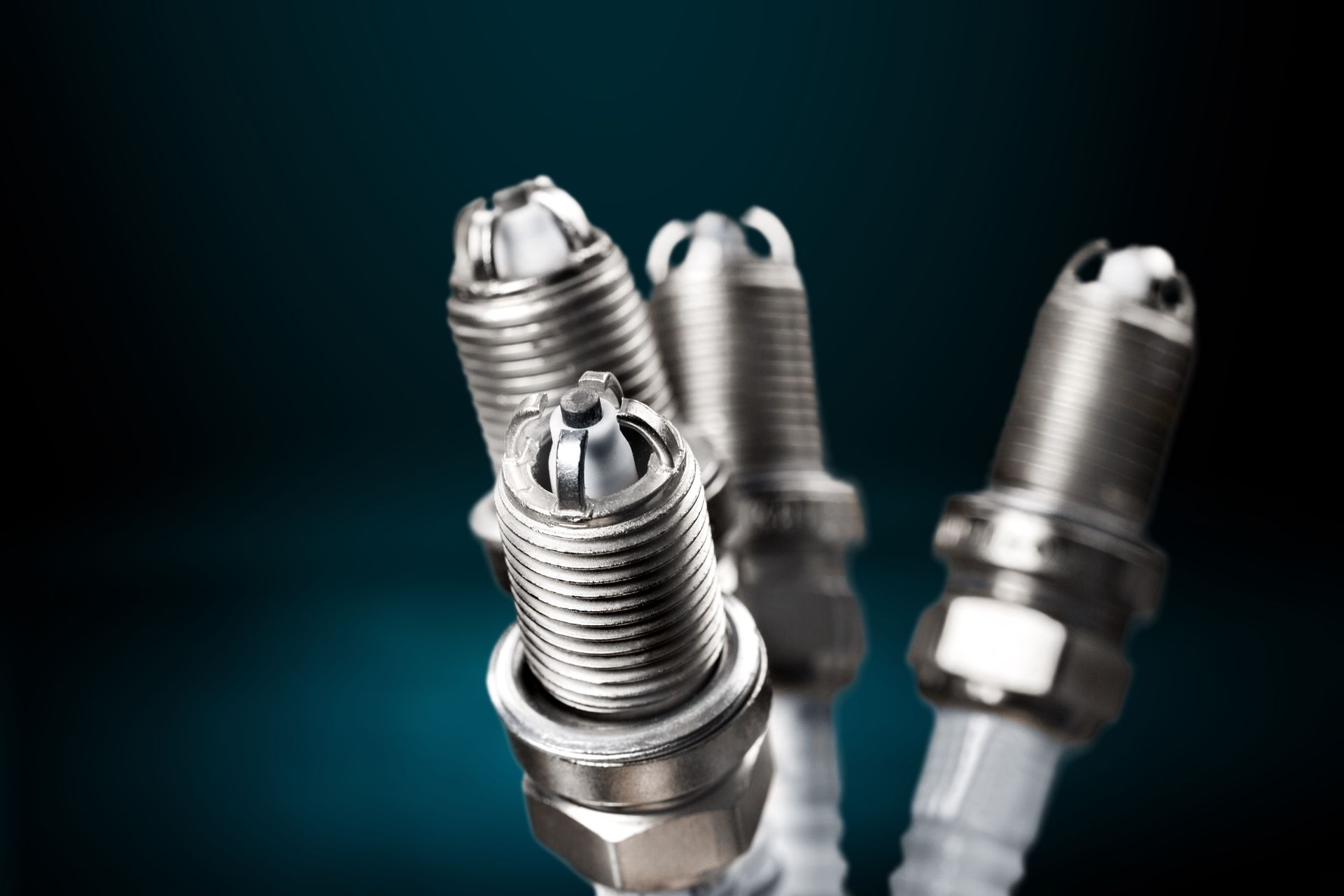
A coolant leak, a dirty air filter, worn spark plugs, a weak battery, or a cracked belt can all affect reliability. That is why an oil change visit should include a basic inspection, not just draining and refilling oil. A few extra minutes looking over the vehicle can catch problems while they are still small.
Why These Mistakes Add Up
One late oil change may not destroy an engine. The real problem is repetition. Late service, incorrect oil, old filters, low oil levels, and skipped checks slowly remove the margin that protects the engine from heat and friction.
Drivers tend to notice the result later, when the engine starts ticking, leaking, burning oil, or losing performance. By then, what began as basic service may have turned into repair work. Good oil change habits are not complicated, but they need to be consistent.
Get Oil Change Service In North Charleston, SC, With Marshside Motors
If your vehicle is due for an oil change or you are not sure whether the right oil and filter have been used, Marshside Motors in North Charleston, SC, can service it properly and check for early signs of engine wear.
Bring it in before simple oil change mistakes start shortening your engine's life.