A check engine light that turns on and then disappears can be more confusing than one that stays on. One day it is staring at you from the dashboard. The next morning it is gone. The car seems fine, so it is tempting to treat the whole thing like a false alarm.
Sometimes the problem really is minor. Other times, the vehicle experienced a fault that occurs only under certain conditions. The light went out because the computer did not see the problem again right away, not because the cause was guaranteed to be fixed. Intermittent warning lights deserve attention because they often indicate a failure before it becomes constant.
The Computer Can Turn The Light Off After Several Good Trips
Modern vehicles run self-tests while you drive. If the computer detects a fault, it stores a code and turns on the check engine light. If the same fault does not return after a certain number of drive cycles, the light may turn off on its own.
That does not always erase the history. Many vehicles keep stored or pending codes that can still be read during diagnostics. Those codes can show which system complained, even if the light is no longer on during the appointment.
That stored information matters. If the light came on once, the vehicle noticed something. Reading the codes before they clear completely can help catch the problem while the trail is still fresh.
A Loose Or Faulty Gas Cap Can Trigger It
A loose gas cap is one of the simpler causes of a check engine light that comes and goes. The fuel system is sealed to prevent fuel vapors from escaping. If the cap is loose, damaged, missing its seal, or not tightened properly, the EVAP system may fail its pressure test.
The car may drive normally because this type of problem usually does not affect engine power. After the cap is tightened and the vehicle completes several self-tests, the light may turn off by itself.
That said, the gas cap is not always the answer. EVAP leaks can also come from hoses, purge valves, vent valves, charcoal canisters, filler neck problems, or wiring issues. If the light keeps returning, the system needs more than a quick twist of the cap.
Weather And Humidity Can Expose Weak Ignition Parts
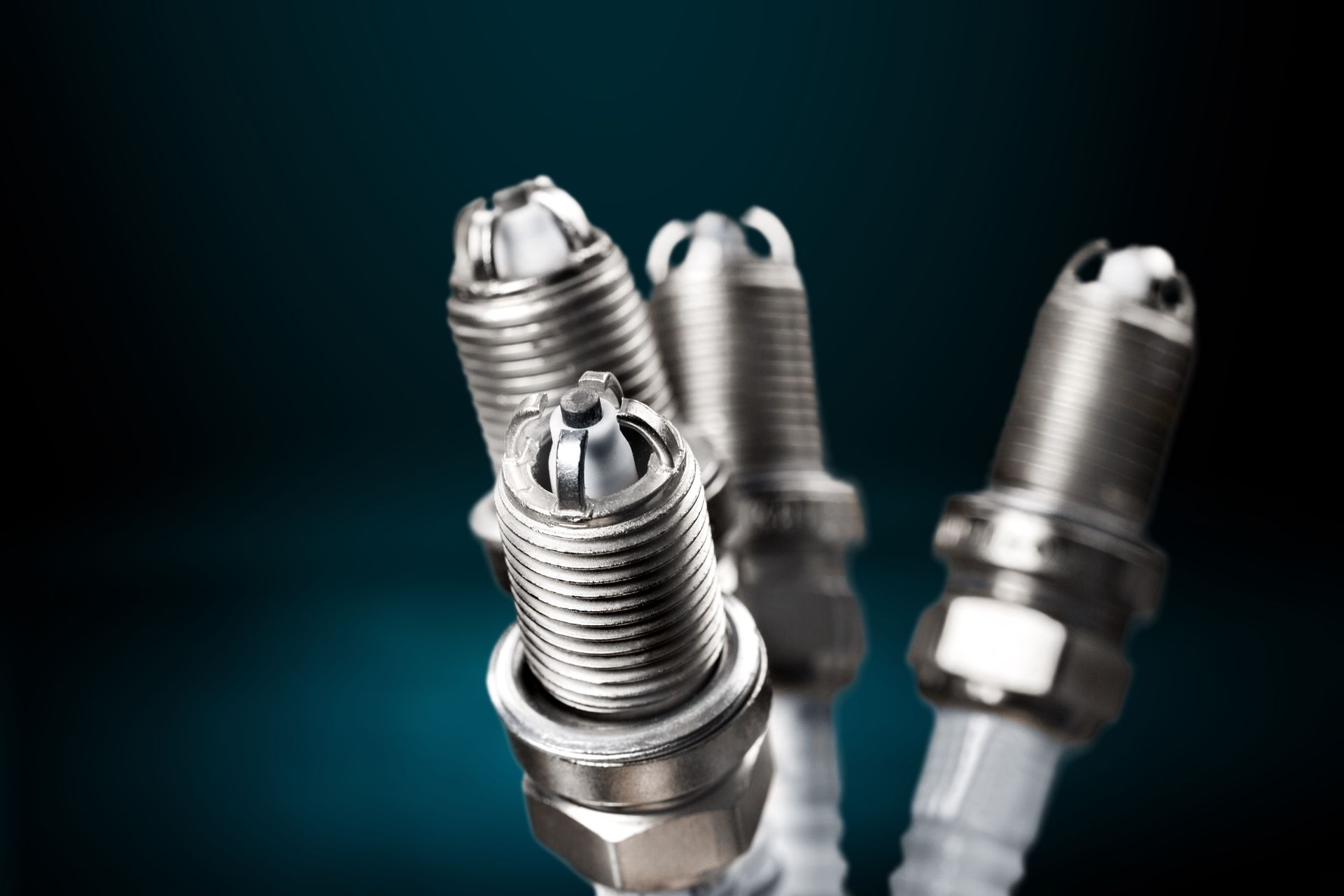
A check engine light that appears during damp weather, heavy humidity, or after rain can point toward ignition weakness. Spark plugs, ignition coils, plug wires on vehicles that use them, and coil boots can all act differently when moisture is present.
The engine may misfire briefly, stumble on startup, or run rough for a few moments. Then it warms up, dries out, and seems normal again. The light may turn off later if the misfire does not return.
In coastal South Carolina humidity, this kind of intermittent behavior is worth watching. A weak ignition part may not fail every day, but it can get worse until the misfire becomes more obvious.
Sensors Can Drift In And Out Of Range
A sensor does not always fail completely. Sometimes it gets slow, dirty, or inconsistent. Oxygen sensors, mass airflow sensors, coolant temperature sensors, crankshaft sensors, camshaft sensors, and other inputs can send readings that appear wrong only under certain conditions.
For example, a sensor may act up when the engine is cold, then read normally once it warms up. Another may fail only when heat builds under the hood. A loose connector or corroded ground can also make a signal drop out briefly and return.
From the driver’s seat, the car may feel normal. Inside the computer, the reading was far enough out of range to set a code. That is why live data and stored code history are useful during an inspection.
Small Misfires Can Come And Go
A misfire means one or more cylinders did not burn fuel correctly. A strong misfire usually gets attention because the engine shakes or the light flashes. A small or occasional misfire can be harder to feel.
Worn spark plugs, weak coils, dirty injectors, vacuum leaks, low fuel pressure, carbon buildup, or compression problems can all cause intermittent misfires. The light may come on at specific times, such as during hard acceleration, a cold start, or while climbing a bridge or hill. Then the vehicle may behave normally during easier driving.
A flashing check engine light is different and should be taken seriously right away. It often indicates the misfire is severe enough to risk damage to the catalytic converter.
Fuel And Air Mixture Problems May Only Happen Sometimes
The engine computer constantly adjusts the fuel mixture. If too much air enters the engine, too little fuel is delivered, or a sensor reports bad information, the mixture can move outside the expected range.
A small vacuum leak may show up mostly at idle. A weak fuel pump may only struggle under load. A dirty mass airflow sensor may misread air during acceleration. A failing purge valve may cause trouble after refueling or during certain EVAP tests.
These problems may not feel constant. The light can come on after one drive, then stay off for a while. That intermittent pattern is exactly why testing should follow the data instead of waiting for the car to run badly.
Why You Should Not Ignore A Light That Went Away
A check engine light that turns off is still information. It means the computer saw a problem, then did not see it again for long enough to turn the warning off. The cause may still be present in a mild or intermittent form.
Ignoring it can allow a small issue to grow. A weak coil can become a steady misfire. A small EVAP leak can turn into a recurring emissions problem. A sensor that acts up once in a while can affect fuel economy. A thermostat problem can keep the engine from running at the right temperature.
Regular maintenance also matters. Overdue spark plugs, dirty filters, old fluids, weak batteries, and aging hoses can all contribute to warning lights that appear before the vehicle feels obviously broken.
Get Check Engine Light Diagnostics In North Charleston, SC, With Marshside Motors
If your check engine light came on and then went off by itself, Marshside Motors in North Charleston, SC, can read stored codes, review system data, and test the parts that may be causing the intermittent warning.
For check engine light diagnostics before a small fault becomes a regular problem,
contact us to schedule an appointment.